Turkey
Solvent recovery system for the flexible packaging printing industry
We have implemented a process cooling plant in Turkey to support a solvent recovery system for the flexible packaging printing industry. The system fulfils the need to dissipate the heat generated by solvent recovery, thus ensuring thermal efficiency and operational continuity.
Customer requirements
In the flexible packaging printing industry, ink-drying processes generate hot air flows containing volatile organic compounds (VOCs). The customer needed a reliable heat management system to comply with the regulatory limits on emissions and to optimise the recovery of the substances used in the production process.
The goal of the process cooling system is to continuously dissipate the heat generated during the recovery phases, ensuring operational stability, safety, and maximum efficiency of the treatment unit.
Description of the plant
The solvent recovery system is designed for the flexible packaging printing industry and uses an activated carbon adsorption system with regeneration using an inert gas (nitrogen). The solvents in the used air flows are captured and subsequently recovered in a reusable form, significantly reducing VOC emissions into the atmosphere.
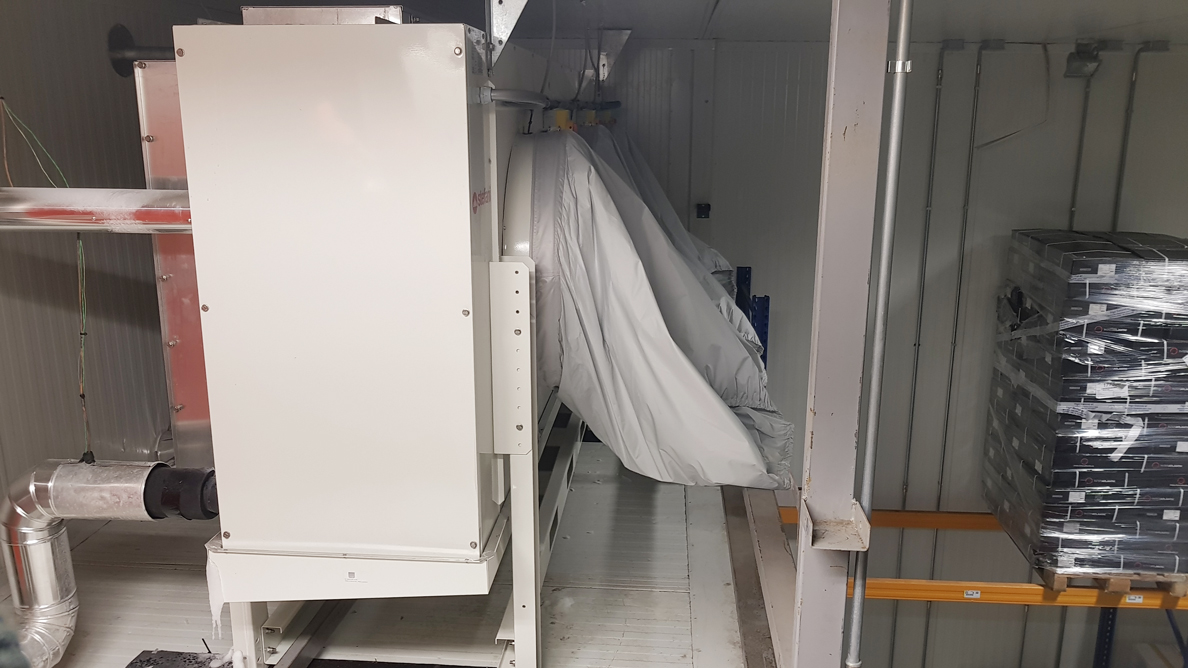
Significant heat loads are generated during the regeneration of activated carbon, which must be continuously and reliably dissipated. As a result, the process cooling system plays a critical role in ensuring the operational stability and efficiency of the entire plant.
The technical solution by Stefani
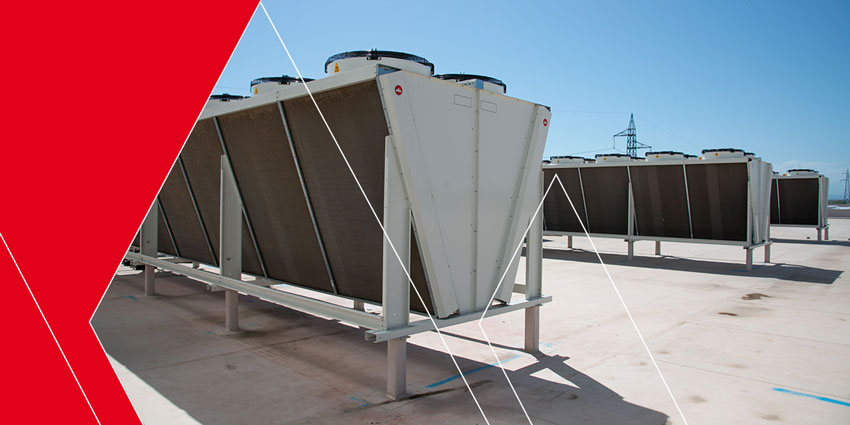
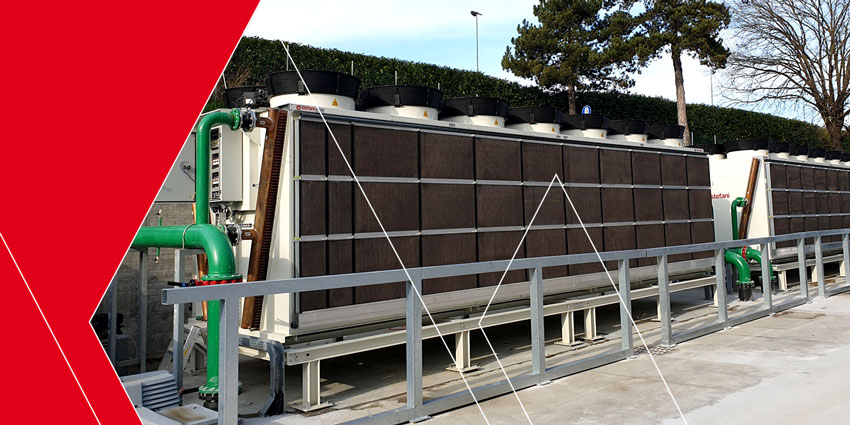
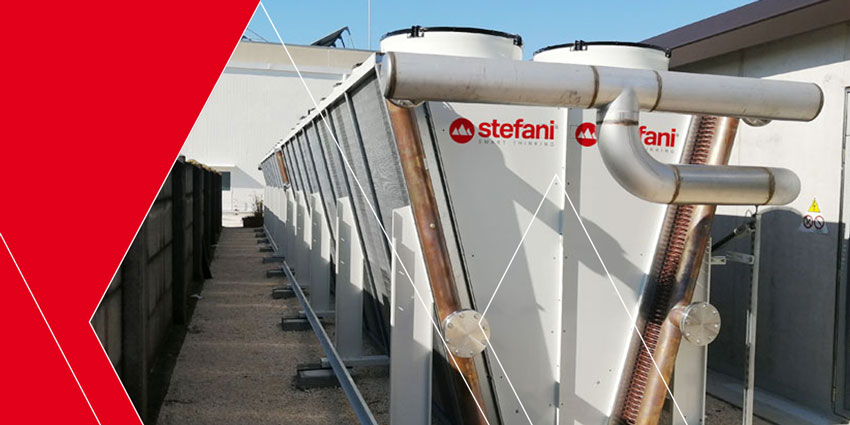
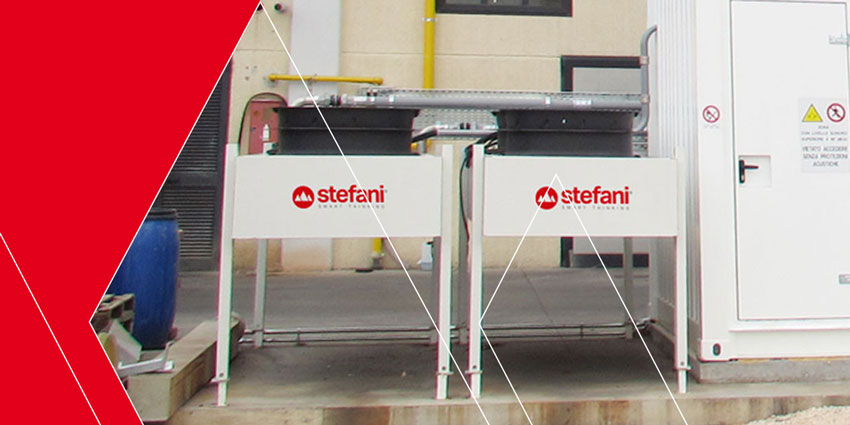
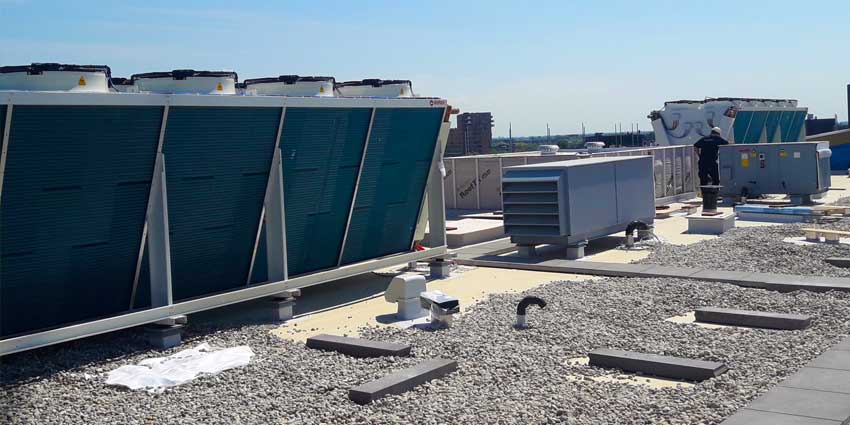
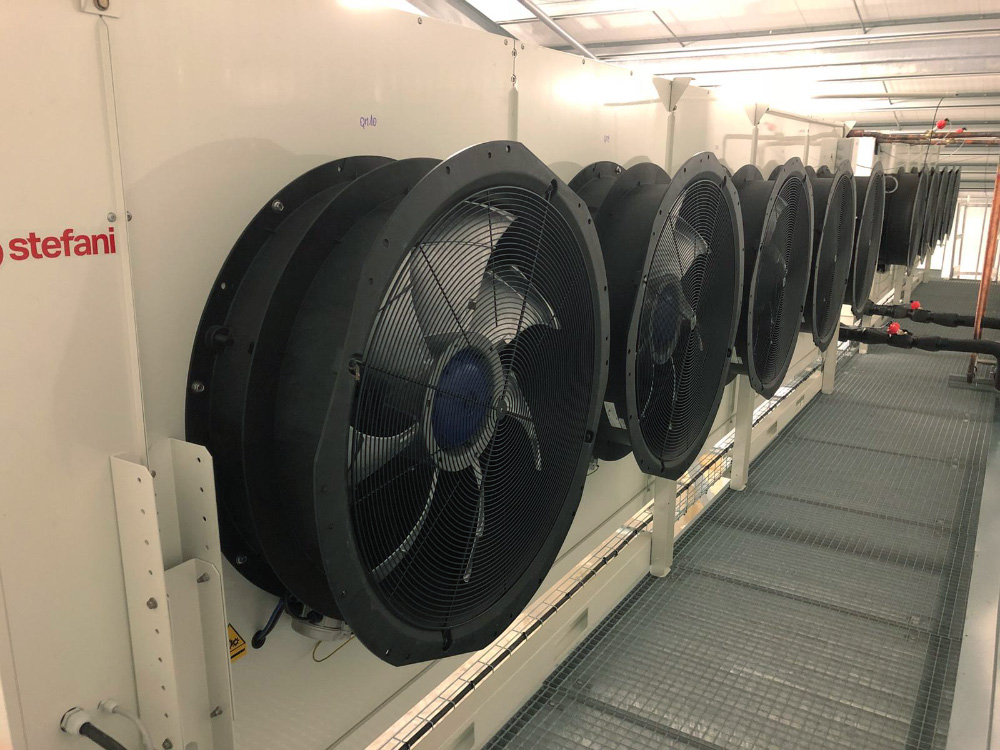
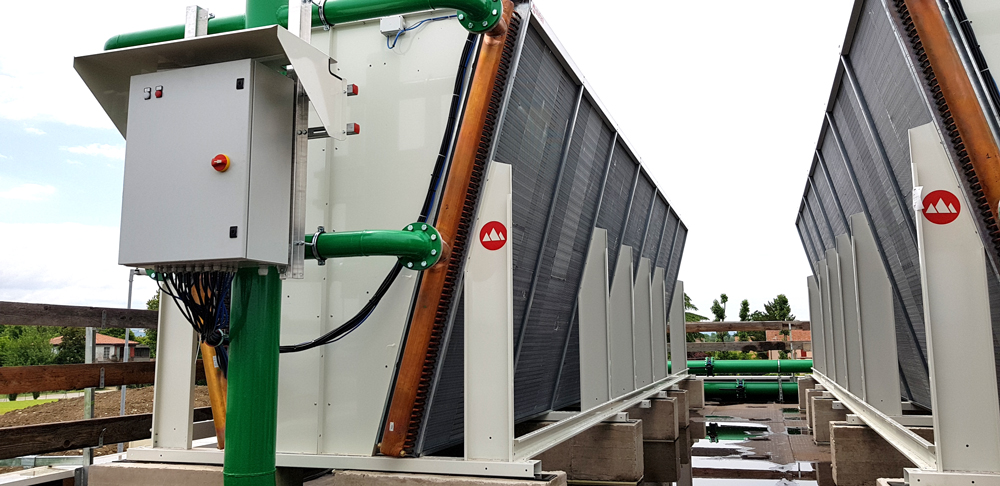
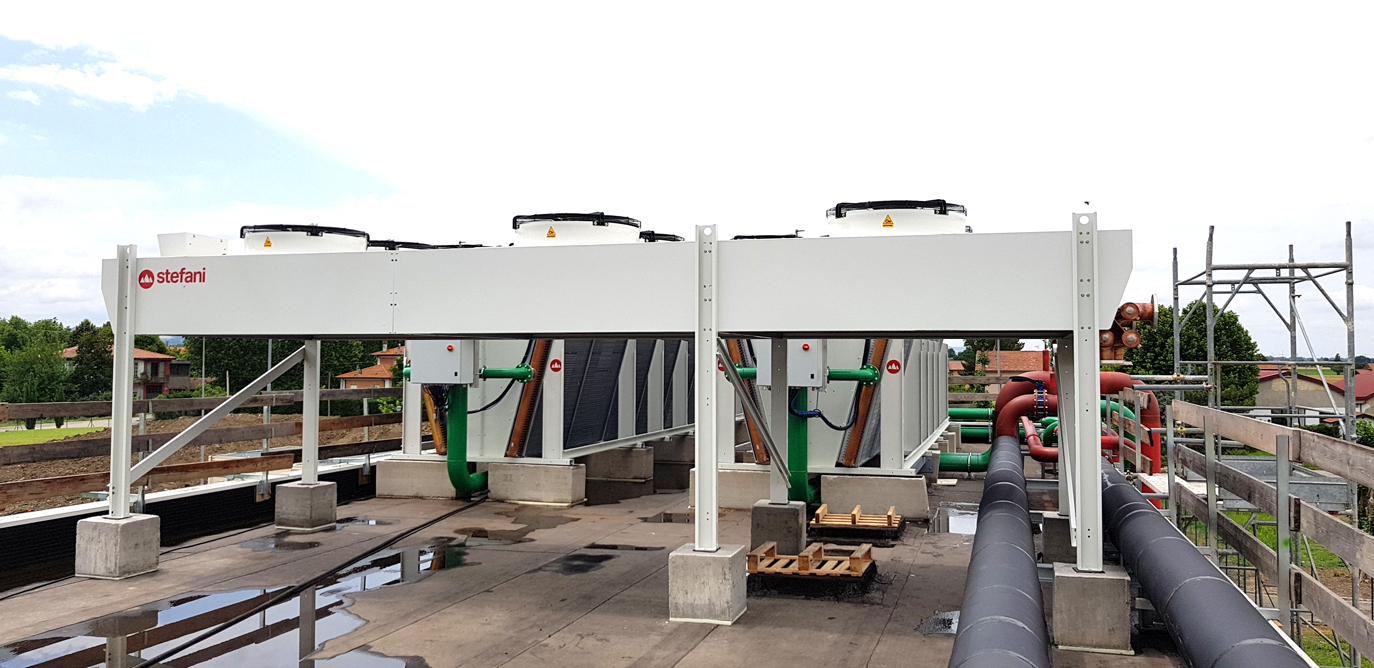
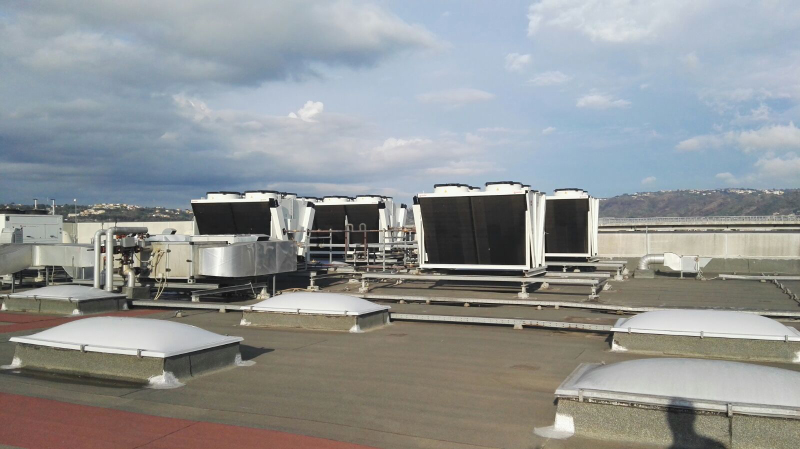
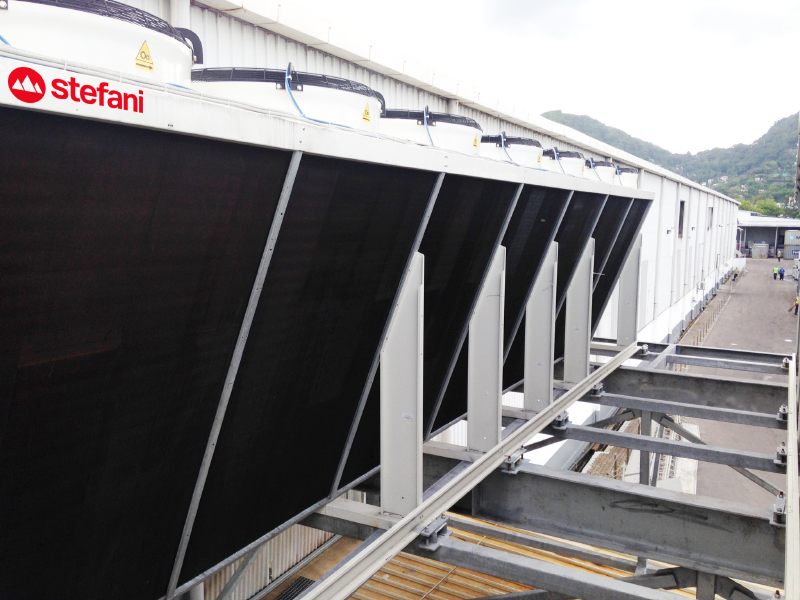
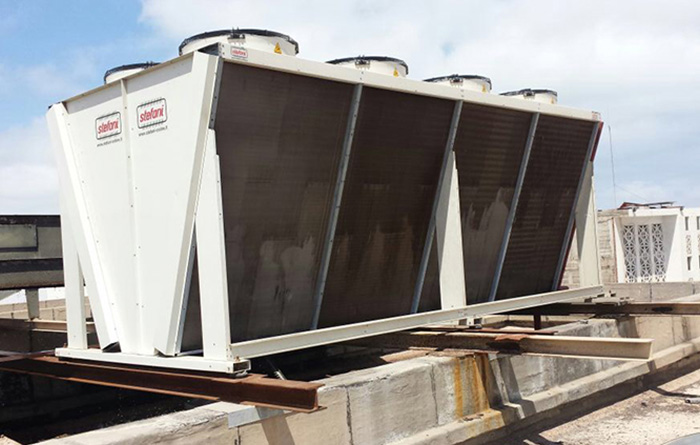
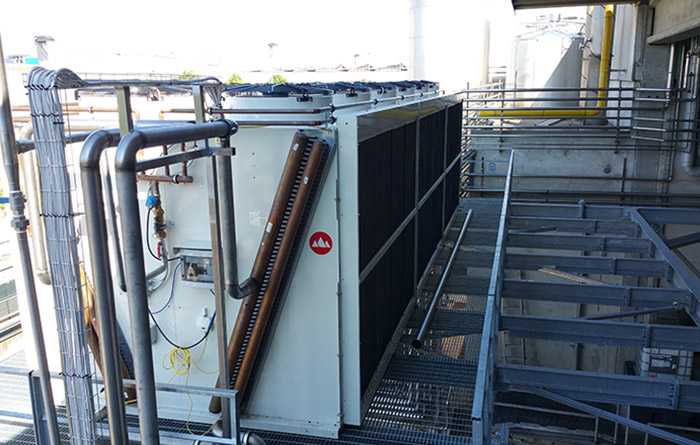
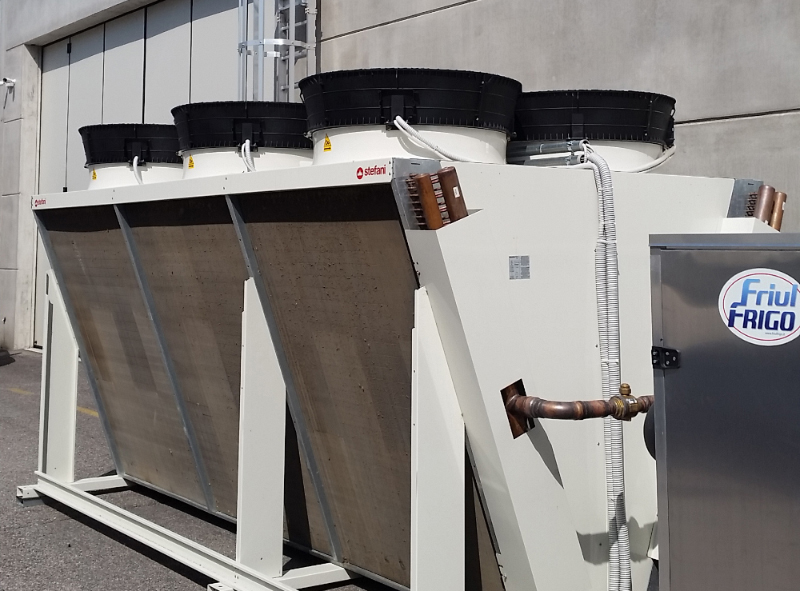
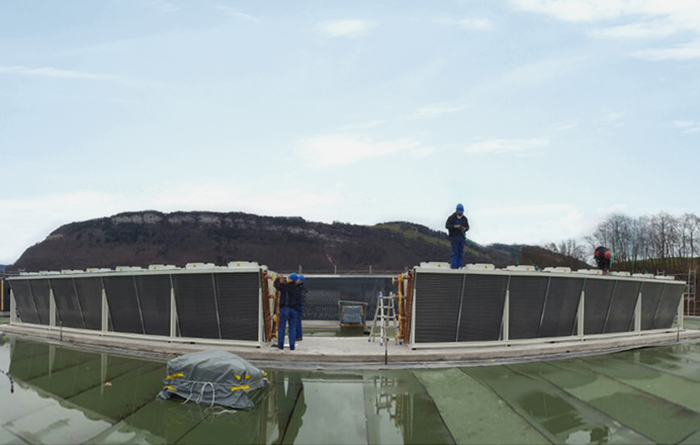
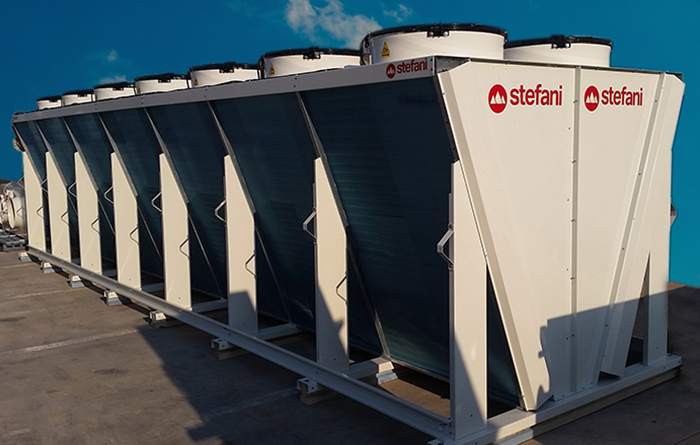
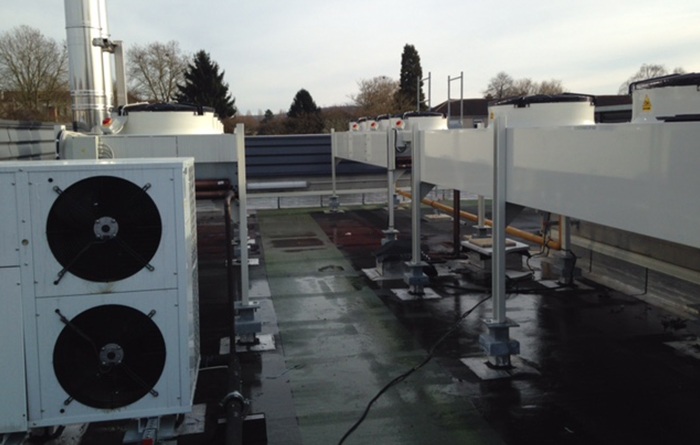
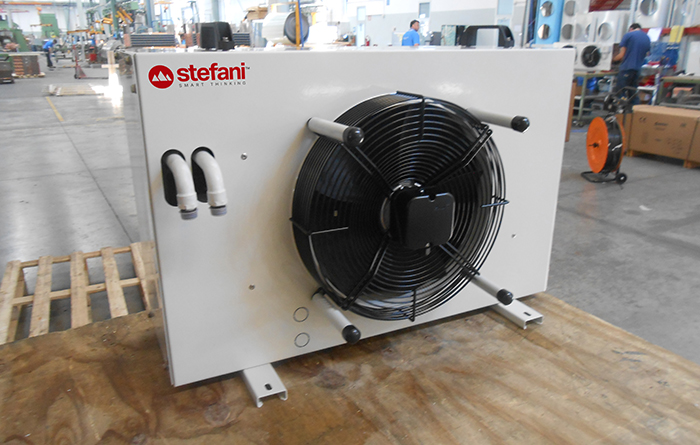
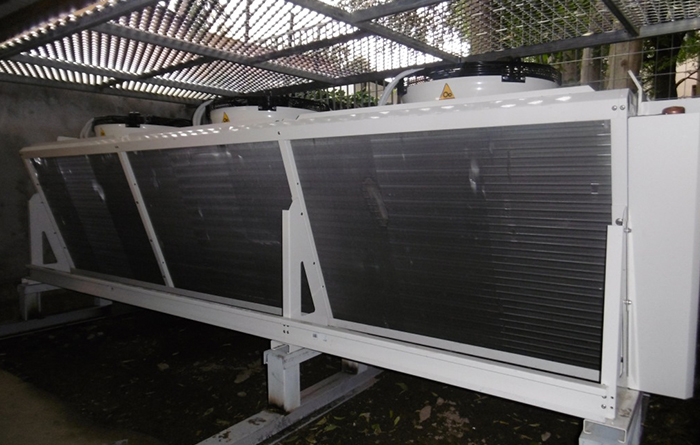
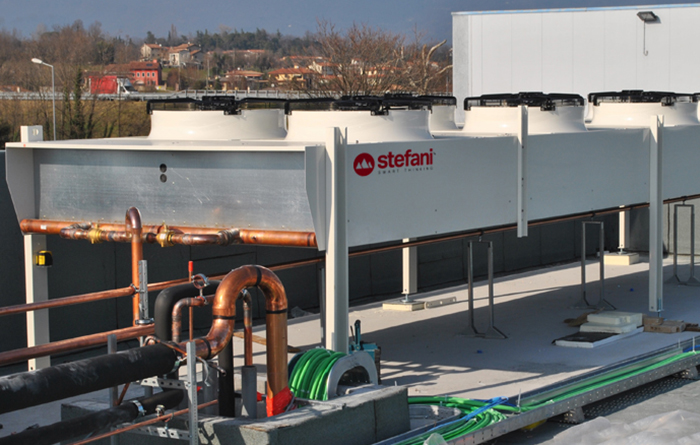
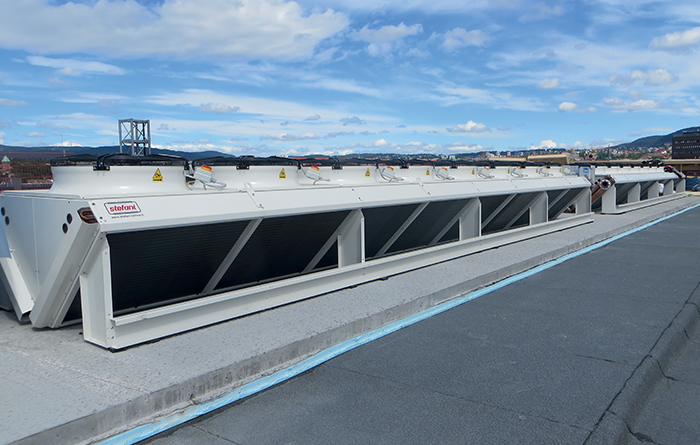
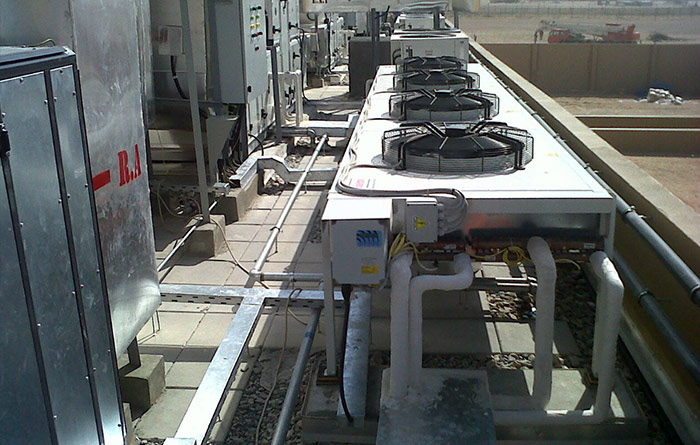
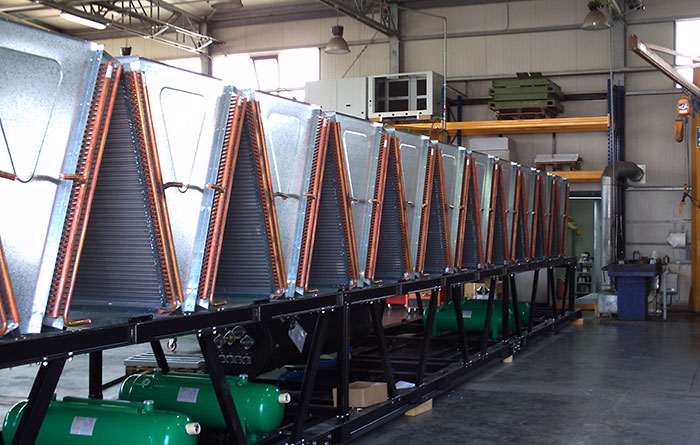
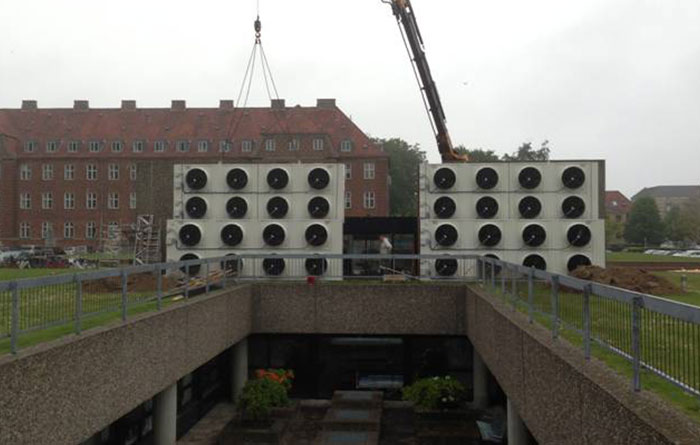
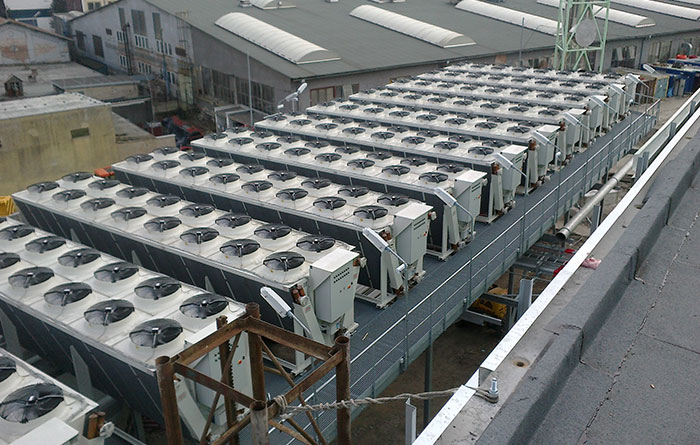
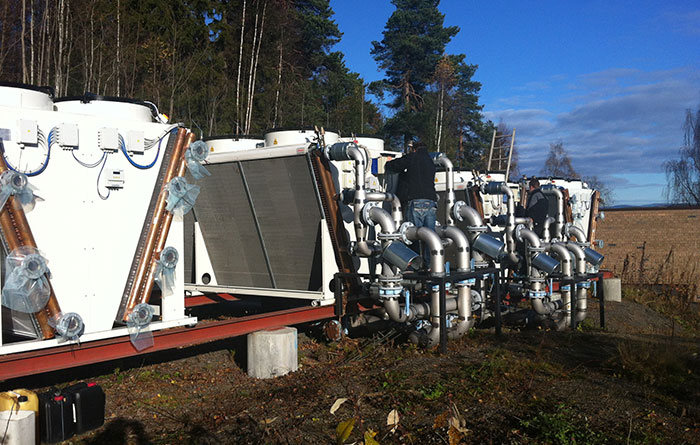
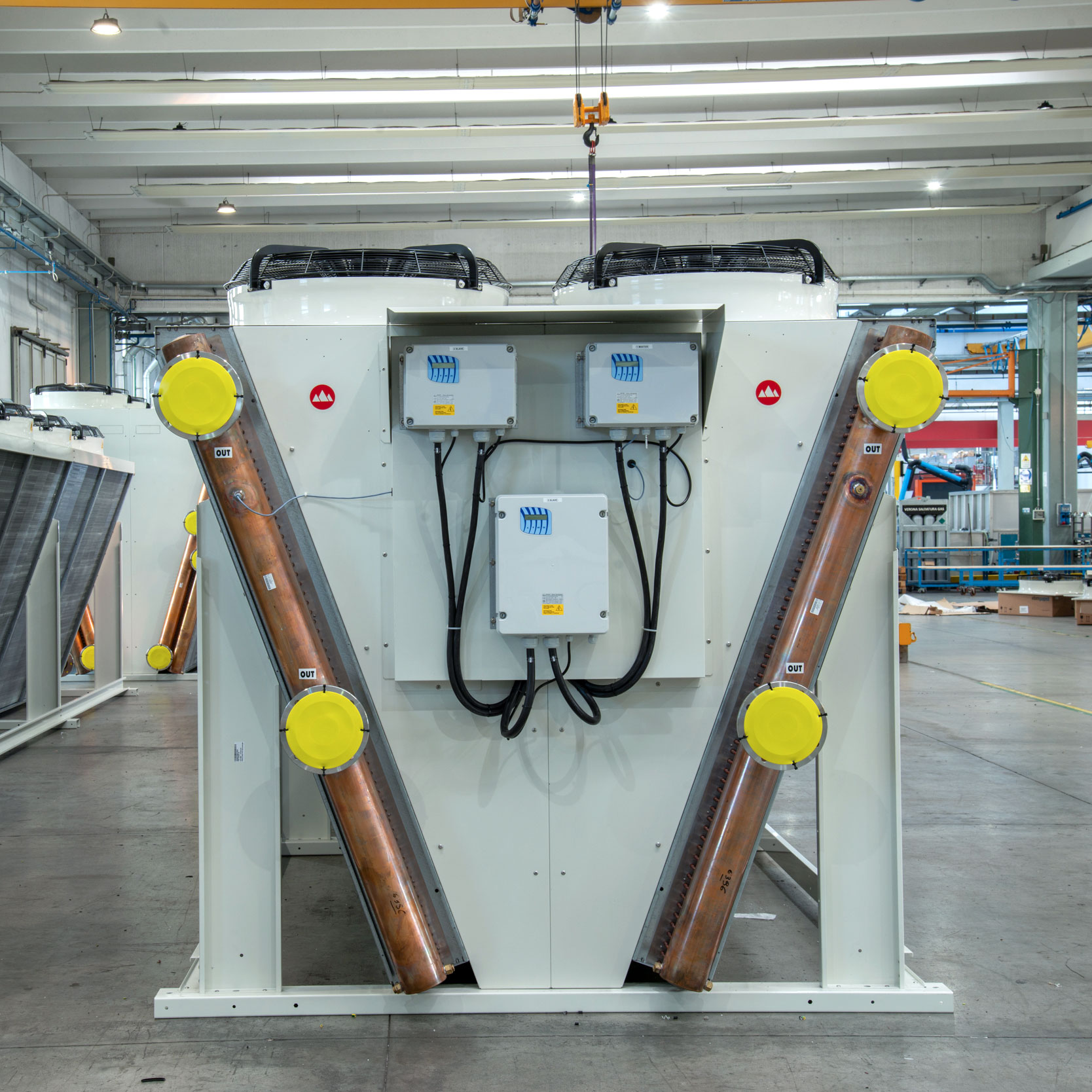
To meet the plant’s cooling requirements, Stefani supplied two OSTRO dry coolers capable of providing a total cooling capacity of 2 MW with a ΔT of 11°C.
Features of the OSTRO range
The OSTRO dry cooler range is designed for high-performance industrial heat exchange applications, typical of the cooling process:
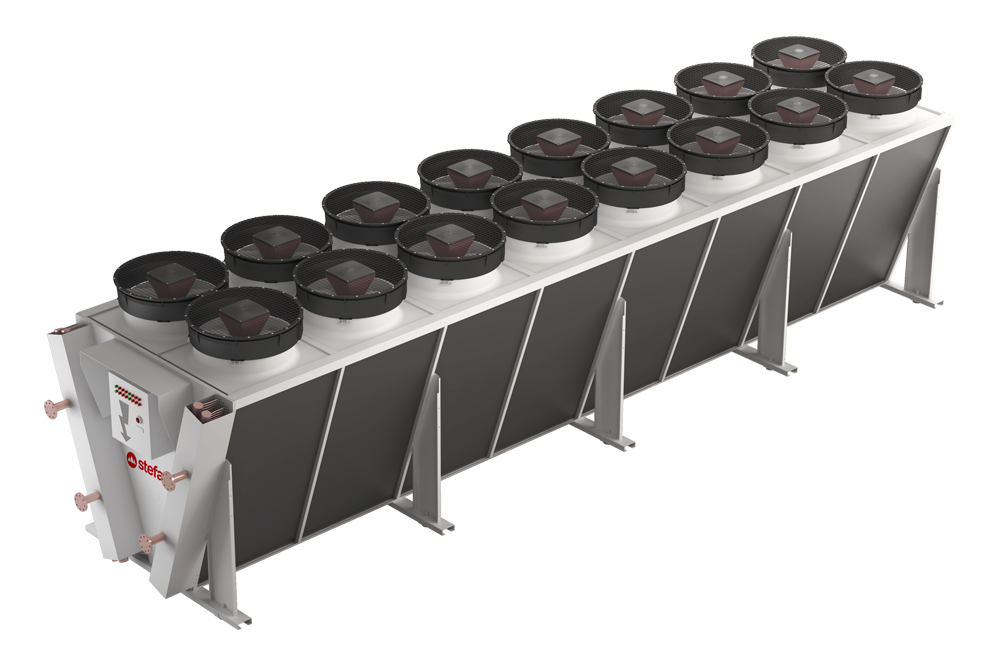
These features make the OSTRO models ideal for process cooling applications that require high operational reliability and consistent thermal performance, even under varying environmental conditions.
Advantages achieved
The use of two OSTRO dry coolers made it possible to efficiently manage the overall heat load of the solvent recovery system, thus ensuring continual, stable cooling. This translates into:
- Improved reliability of the entire solvent recovery process, with a positive impact on productivity;
- Optimisation of energy consumption and a reduction in operating costs;
- Reduction of the plant’s overall heat footprint, leading to more sustainable environmental management.
Turkey
Solvent recovery system for the flexible packaging printing industry
We have implemented a process cooling plant in Turkey to support a solvent recovery system for the flexible packaging printing industry. The system fulfils the need to dissipate the heat generated by solvent recovery, thus ensuring thermal efficiency and operational continuity.
Customer requirements
In the flexible packaging printing industry, ink-drying processes generate hot air flows containing volatile organic compounds (VOCs). The customer needed a reliable heat management system to comply with the regulatory limits on emissions and to optimise the recovery of the substances used in the production process.
The goal of the process cooling system is to continuously dissipate the heat generated during the recovery phases, ensuring operational stability, safety, and maximum efficiency of the treatment unit.
Description of the plant
The solvent recovery system is designed for the flexible packaging printing industry and uses an activated carbon adsorption system with regeneration using an inert gas (nitrogen). The solvents in the used air flows are captured and subsequently recovered in a reusable form, significantly reducing VOC emissions into the atmosphere.
Significant heat loads are generated during the regeneration of activated carbon, which must be continuously and reliably dissipated. As a result, the process cooling system plays a critical role in ensuring the operational stability and efficiency of the entire plant.
The technical solution by Stefani
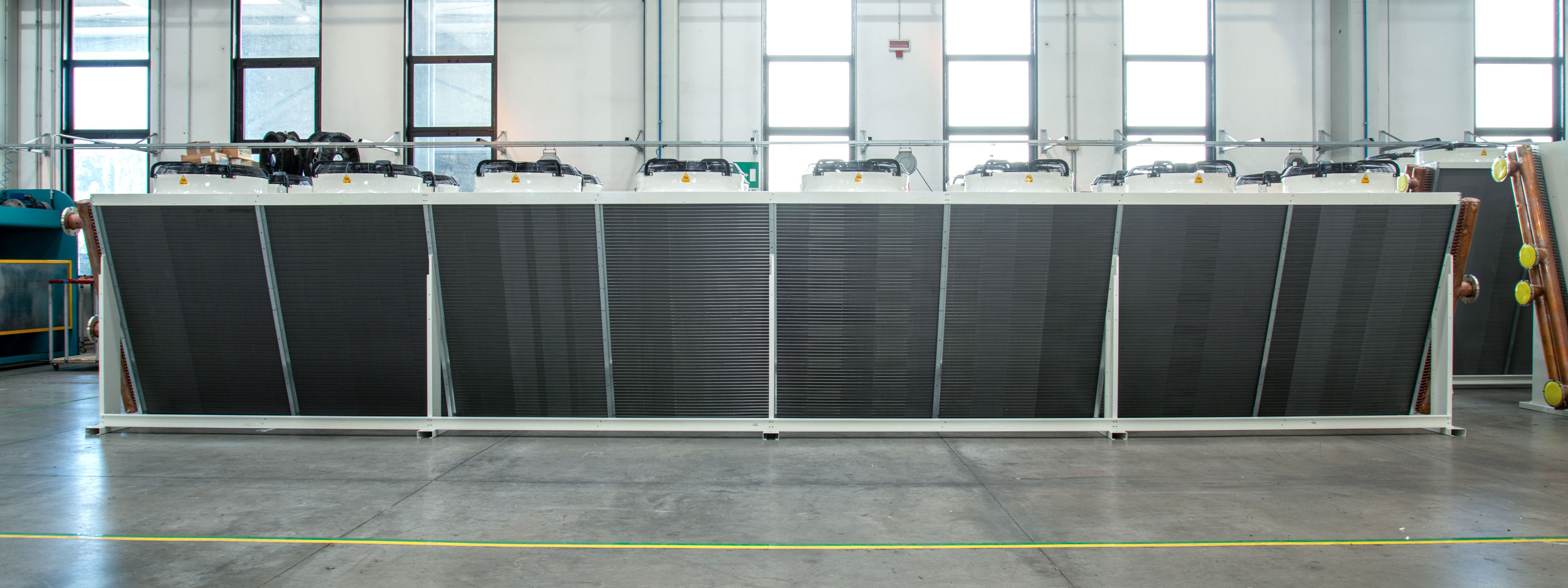
To meet the plant’s cooling requirements, Stefani supplied two OSTRO dry coolers capable of providing a total cooling capacity of 2 MW with a ΔT of 11°C.
Features of the OSTRO range
The OSTRO dry cooler range is designed for high-performance industrial heat exchange applications, typical of the cooling process:
These features make the OSTRO models ideal for process cooling applications that require high operational reliability and consistent thermal performance, even under varying environmental conditions.
Advantages achieved
The use of two OSTRO dry coolers made it possible to efficiently manage the overall heat load of the solvent recovery system, thus ensuring continual, stable cooling. This translates into:
- Improved reliability of the entire solvent recovery process, with a positive impact on productivity;
- Optimisation of energy consumption and a reduction in operating costs;
- Reduction of the plant’s overall heat footprint, leading to more sustainable environmental management.